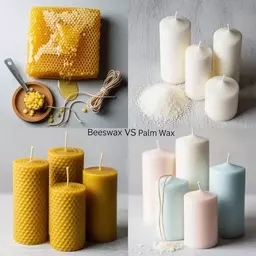
Soy Wax
Pros:
- Renewable & Non-toxic
- Easy to work with
- Clean burn
Cons:
- Can be softer
- Less durable

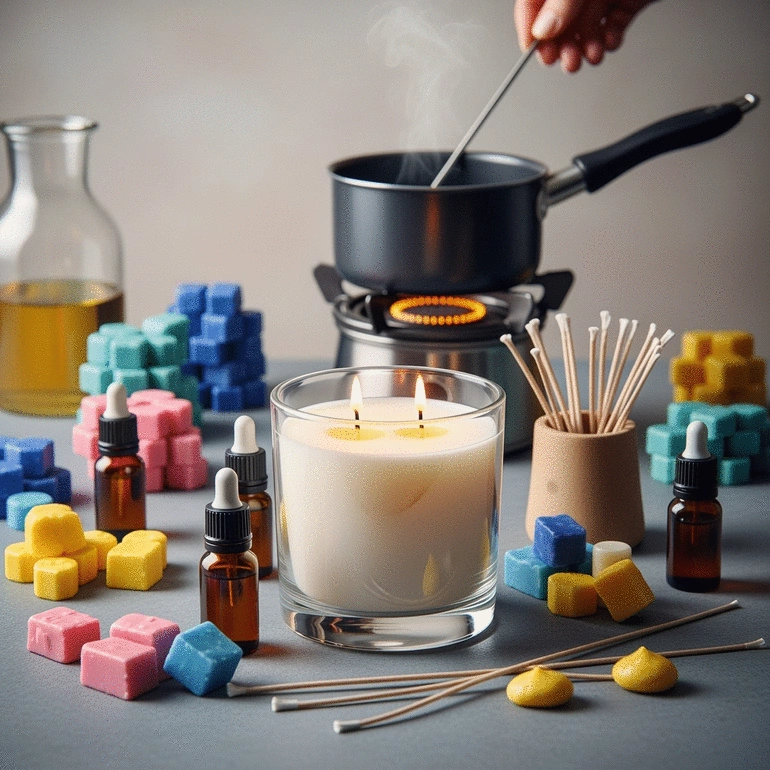
Did you know that candle making can not only beautify your space but also serve as a therapeutic outlet? As you embark on this creative journey, you'll discover a world of sensory delight and self-expression. Let's explore the key lessons that await you!
An overview of common candle wax types and their key characteristics, helping you choose the best option for your candle-making projects.
Welcome to the wonderful world of candle making! This rewarding hobby is not just about creating beautiful candles; it's about exploring your creativity and expressing yourself. Whether you're crafting for personal use or as a gift, candle making allows you to create something truly unique that reflects your style and values.
Have you ever thought about how the simple act of pouring wax can bring joy and relaxation? Many people find the process therapeutic, and the end result is a cozy ambiance that can transform any space. Let’s delve into why candle making is a fantastic hobby to embrace!
At Candle Craft Australia, I’ve seen countless people begin their journey with a simple desire to make something beautiful. The joy of creating your own scented candles is incredibly fulfilling! Have you considered what scents you would love to incorporate into your very first candle?
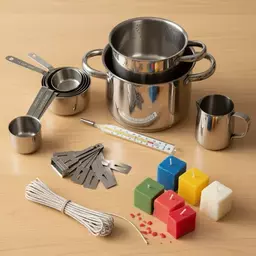
Before you dive into candle making, it's essential to have a solid understanding of the basics. Knowing what supplies to gather and the types of materials available can make your experience much smoother. I recommend starting with a few key items:
Additionally, it's important to familiarize yourself with the candle-making process and safety practices. This knowledge will empower you to create beautifully crafted candles while ensuring a safe environment. So, grab your notebook and jot down these essentials as you embark on your exciting candle-making adventure!
Now that you're excited about starting your journey, let's discuss the essential materials you’ll need. Having the right supplies will set you up for success and make the crafting process enjoyable!
When it comes to candle making, selecting the right wax is crucial. Each type of wax has its own unique properties that can affect the performance and appearance of your candles. Here’s a quick overview:
As you explore your options, consider what best fits your crafting goals. For example, do you prioritize sustainability? If so, you might lean toward soy or beeswax for their eco-friendly benefits. What type of candle do you envision creating?
Understanding the advantages and disadvantages of each wax type will help you make an informed decision:
Choosing your wax can significantly impact your candle-making journey. I encourage you to try out different types and see which aligns best with your personal style and preferences!
With sustainability becoming increasingly important, many candle makers are looking for eco-friendly wax options. In addition to soy and beeswax, consider alternatives like:
By choosing eco-friendly materials, you not only create beautiful candles but also contribute to a healthier planet. It's a win-win!
Did you know? One of the best ways to enhance your candle-making experience is by keeping a dedicated journal. Document each candle you create by noting the wax type, wick size, fragrance combinations, and any unique techniques you tried. This will not only help you replicate your best creations but also track your progress and refine your skills over time!
Candle making offers creative expression through unique designs, colors, and scents. It also provides stress relief through its meditative process and allows for the creation of personalized gifts. Additionally, it fosters community building among fellow makers.
You'll need wax (soy, beeswax, or paraffin), appropriate wicks, fragrance oils (synthetic or natural), and containers or molds that suit your design. Familiarizing yourself with safety practices is also crucial.
Soy wax is renewable, non-toxic, and easy to work with, but can be softer. Beeswax is natural, has a long burn time, and emits negative ions, but is more expensive. Paraffin wax is widely available, offers a great scent throw, and is versatile, but is derived from petroleum and is less eco-friendly.
Yes, in addition to soy and beeswax, eco-friendly options include coconut wax (renewable, clean-burning) and rapeseed wax (vegetable-based, biodegradable, and sustainable).
You can join online forums, participate in local workshops, and become part of communities like Candle Craft Australia to share your journey, exchange ideas, and gain inspiration.
As you start your journey into the world of candle making, it’s vital to remember a few key techniques and tips that can set you up for success. First, always choose quality materials. The wax, wicks, and fragrances you select will significantly affect the final product. Experimenting with different combinations will help you discover what works best for your unique style. For further insight into the craft, sources like EBSCO's research starters on visual arts offer valuable historical and technical information.
Consider keeping a notebook or digital document to track your experiments. This way, you can reference what worked and what didn’t, and refine your approach. Here are some essential tips to summarize:
Remember, every candle you create is a step toward honing your craft. With each attempt, you’ll learn something new about your preferences and capabilities, and that’s the beauty of candle making!
One of the most exciting aspects of candle making is the opportunity to express yourself. Don’t hesitate to let your creativity shine! Try layering different colors, adding natural elements like dried flowers, or experimenting with unusual scent combinations. Perhaps you find joy in creating candles that evoke memories or symbolize occasions in your life.
Let your imagination run wild! Here are some ideas to spark your creativity:
By stepping out of your comfort zone, you’ll discover your signature style. Remember, the journey of experimenting is just as rewarding as the candles you ultimately create!
At Candle Craft Australia, we believe in the power of community. Connecting with fellow candle makers can provide invaluable support and inspiration. We encourage you to share your journey, join our online forums, and participate in local workshops. You’ll find that exchanging ideas and experiences can elevate your candle crafting skills significantly!
There’s always something new to learn in the world of candle making. To continue your education, consider exploring various resources. For a general overview of the craft, you can also consult Wikipedia's entry on candles. Here are some recommendations:
Whether you're just starting or looking to enhance your skills, there's something out there for everyone! I encourage you to seek out tutorials that match your current level and interests. Remember, the more you practice and learn, the more confident you will become in your craft!
Here is a quick recap of the important points discussed in the article: