Home >

Beeswax vs. Palm Wax for Candles

Beeswax vs. Palm Wax for Candles

The Ultimate Comparison: Beeswax vs. Palm Wax for Australian Candle Makers
Sofia Merriweather | 2025-10-28

With the candle-making community growing rapidly, understanding the materials used is essential for creating beautiful and sustainable products. One choice that stands out is the selection between beeswax and palm wax, each offering unique traits that can significantly impact your creations. Let’s delve into the key insights that will help you make an informed decision.

What You Will Learn

  • Beeswax is a sustainable choice that supports bee populations and offers a longer burn time compared to paraffin candles.
  • Burning beeswax can improve air quality by releasing negative ions that neutralize pollutants.
  • Palm wax has excellent scent retention, making it suitable for those who prefer strong fragrances in their candles.
  • Ethical sourcing is crucial for palm wax; ensure it is sustainably harvested to minimize environmental impact.

Beeswax vs. Palm Wax: Key Characteristics and Performance Comparison

A side-by-side look at the defining traits and performance metrics of two popular candle waxes.

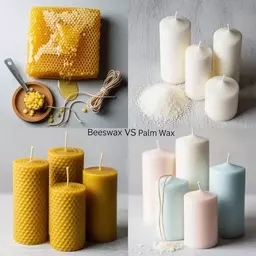
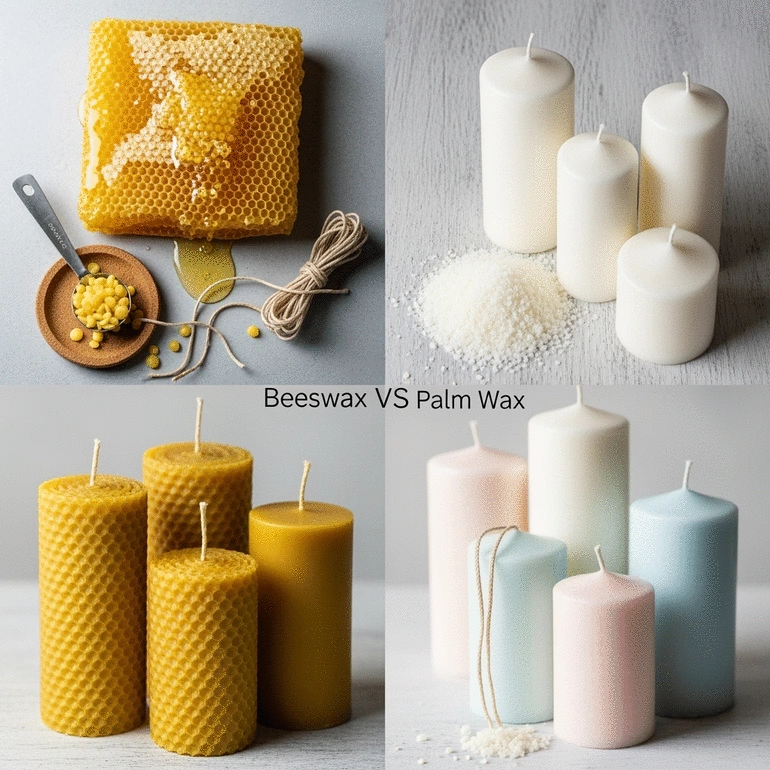
Beeswax

Origin: Secreted by honeybees. (Natural, Renewable)

Burn Time: Can burn up to twice as long as paraffin candles.

Fragrance Throw: Natural, subtle honey-sweet aroma; emits negative ions, improving air quality.

Benefits:
  • Non-toxic & Sustainable
  • Air Purification (negative ions)
  • Supports bee conservation

Palm Wax

Origin: Derived from oil palm fruit. (Biodegradable, Requires careful sourcing)

Burn Time: Good, but generally not as long as beeswax.

Fragrance Throw: Excellent scent retention; can have vibrant, glossy finish for decorative candles.

Considerations:
  • Potential additives & pollutants
  • Ethical sourcing is crucial
  • Scent throw may be less potent

Understanding Beeswax and Palm Wax: An Overview for Candle Makers

As a passionate candle maker, I often find myself exploring the fascinating world of waxes. Among the many options available, beeswax and palm wax stand out for their unique characteristics and benefits. In this section, I’ll dive into the defining traits of these two popular wax types, helping you understand which one might be your go-to choice for crafting beautiful candles that not only light up your space but also align with your values. For those just starting out, a beginner's guide to candle making can provide a solid foundation for your craft.

Defining Beeswax: Characteristics and Benefits

Let’s start with beeswax. This natural wax is secreted by honeybees and is known for its warm, golden hue and subtle, sweet aroma. What makes beeswax truly special is its renewable origin and the careful process involved in its production. Bees collect nectar, which they transform into beeswax through a fascinating biological process, resulting in a product that is as beautiful as it is functional.

Natural Origins and Production Process

The production of beeswax involves several steps within the beehive. Bees secrete wax flakes from glands on their abdomen, which they then chew and mold to form honeycomb structures. Once the honey is harvested, the leftover wax is purified, making it ready for candle making. This organic approach to sourcing means that beeswax is a sustainable option for environmentally-conscious makers like us!

Unique Properties of Beeswax: Burn Time and Fragrance Throw

One of the standout features of beeswax is its impressive burn time. When compared to other waxes, beeswax candles can burn significantly longer—up to twice as long as paraffin candles! Additionally, beeswax has a natural ability to emit negative ions when burned, which can improve indoor air quality by helping to neutralize pollutants. This unique property also contributes to a wonderful fragrance throw that fills your space with a subtle, honey-sweet aroma.

Beeswax Benefits for Health and Environment

  • Non-toxic: Beeswax is a natural substance, making it safe for your family and pets.
  • Sustainable: Beekeeping practices can support biodiversity and promote the health of bee populations.
  • Air Purification: The negative ions released can help reduce allergens and pollutants in the air.

By choosing beeswax, not only are you creating beautiful candles, but you are also making a choice that supports health and environmental sustainability. It’s a win-win for everyone involved! If you're keen to explore other eco-friendly options, consider researching eco-friendly candle wax options to broaden your sustainable candle-making practices.

Exploring Palm Wax: Features and Considerations

Next on our journey is palm wax. Derived from the fruit of oil palm trees, this wax is another popular alternative for candle making. While it may not have the same rich history as beeswax, palm wax offers its own unique set of features that can enhance your candle-making experience.

What is Palm Wax and How is it Made?

Palm wax is created by extracting oil from the fruit of the oil palm tree, which is then refined and processed into a solid form suitable for candle making. The production process involves pressing the oil and undergoing a series of treatments to achieve the desired consistency and purity. While palm wax is biodegradable and can be sustainably sourced, it's important to consider its environmental impact before making your choice.

Performance Metrics: Melting Point and Scent Retention

When it comes to candle performance, palm wax has some noteworthy qualities. It has a relatively high melting point, which means it can withstand warmer temperatures without losing its form. Additionally, palm wax has excellent scent retention, allowing your candles to carry a delightful aroma that fills the room when lit. However, it’s worth mentioning that the scent throw may not be as potent as that of beeswax.

Impact of Palm Wax on Air Quality and Health

  • Potential Additives: Some palm waxes may contain additives that aren’t ideal for health-conscious consumers.
  • Air Quality: Depending on the source, palm wax may release pollutants when burned.
  • Ethical Sourcing: It's crucial to ensure that your palm wax is sustainably harvested to minimize environmental harm.

As with any material, there are pros and cons to using palm wax in your candle-making projects. Understanding these factors will help you make informed decisions that reflect your values and cater to your creative vision.

Summarizing Key Insights: Beeswax vs. Palm Wax

As we wrap up our exploration of beeswax and palm wax, it’s essential to consider which type of wax best fits your candle-making needs. Both waxes offer unique characteristics that can enhance your creations, but your choice will depend on various factors, including sustainability, health, and the specific qualities you desire in your candles.

Let’s break down some key factors to consider:

  • Burn Quality: Beeswax tends to burn longer and cleaner, making it a favorite among eco-conscious makers.
  • Fragrance Retention: Palm wax is known for its excellent scent retention, which might be beneficial if you like strong fragrances in your candles.
  • Sustainability: Beeswax supports bee conservation, while palm wax requires careful sourcing to ensure it’s produced sustainably.

These factors can greatly influence your decision, so take a moment to reflect on what aspects are most important to you as a candle maker. Do you prioritize a clean burn, or is scent throw your main focus?

Which Wax Suits Your Candle-Making Needs?

When it comes down to it, the choice between beeswax and palm wax is personal! For those of us at Candle Craft Australia, we often find ourselves leaning towards beeswax for its natural origins and health benefits. However, palm wax has its merits, especially for decorative candles.

  • If you're creating candles for a calming atmosphere, beeswax may be your go-to for its soothing properties.
  • For colorful, intricate decorative candles, palm wax can add that vibrant, glossy finish you might be looking for.
  • If you're making gifts, think about your recipient's preferences—some might appreciate the earthy vibe of beeswax, while others might lean towards the modern look of palm wax.

Ultimately, understanding your audience and purpose can guide you in choosing the right wax that not only enhances the aesthetics of your candles but also aligns with your values. For more tips on selecting the right materials, check out our guide on candle making supplies for beginners.

Final Thoughts on Sustainability and Health Considerations

As a passionate candle maker, I believe that our choices impact not just our craft but also the environment. The benefits of using beeswax are compelling, especially regarding air quality and sustainability. On the other hand, palm wax requires us to be diligent about sourcing and ensuring it’s sustainably harvested.

Here are a few final thoughts to keep in mind:

  • Always check where your materials come from. Ethical sourcing is key!
  • Be aware of the health implications of any additives or dyes you choose to use.
  • Engaging with your community can provide insights into best practices for using both wax types responsibly.

By making informed choices, we can create beautiful candles that reflect our personal styles and values while promoting a healthier, more sustainable craft.

FAQs: Beeswax vs. Palm Wax for Candle Making

Q: Is beeswax a more sustainable choice than palm wax?

A: Generally, yes. Beeswax is a natural, renewable resource that supports bee populations and biodiversity. Palm wax can be sustainable if ethically sourced from certified producers, but its production has historically been associated with deforestation.

Q: Which wax burns longer, beeswax or palm wax?

A: Beeswax candles typically burn significantly longer than palm wax candles, often up to twice as long as paraffin candles. Palm wax offers a good burn time but usually not as extended as beeswax.

Q: Which wax is better for strong fragrance throw?

A: Palm wax is known for its excellent scent retention and can provide a very good fragrance throw, making it suitable for candles where a strong aroma is desired. Beeswax has a natural, subtle honey-sweet aroma and also offers a good fragrance throw, but its own scent can sometimes subtly influence added fragrances.

Q: Can beeswax improve air quality?

A: Yes, beeswax candles are unique in that they emit negative ions when burned. These negative ions can help to neutralize airborne pollutants, allergens, and toxins, thus improving indoor air quality.

Q: What are the main ethical considerations when using palm wax?

A: The primary ethical consideration for palm wax is ensuring it is sustainably and ethically harvested. Unethical palm oil production can lead to deforestation, habitat loss for endangered species, and social exploitation. Always source palm wax from suppliers certified by organizations like the RSPO (Roundtable on Sustainable Palm Oil).

Calling Candle Makers to Action

Encouraging Responsible Sourcing and Production Practices

At Candle Craft Australia, we encourage all candle makers to think critically about their materials. Responsible sourcing is crucial, whether you choose beeswax, palm wax, or any other material. Take time to research suppliers and support those who practice ethical and sustainable methods.

When you share your experiences with sourcing, you contribute to a community that values transparency and sustainability. After all, we’re all in this together!

Join the Conversation: Share Your Experiences with Candle Waxes

I invite you to share your thoughts and experiences with different wax types. What’s worked for you? Have you discovered any tips or tricks for blending waxes? Your insights could inspire fellow candle makers to explore new techniques or materials!

Drop a comment below or connect with us on social media. Let’s build a vibrant community of creators passionate about crafting sustainable candles that light up our lives!

Recap of Key Points

Here is a quick recap of the important points discussed in the article:

  • Beeswax: A natural, renewable wax with a long burn time and air-purifying properties.
  • Palm Wax: Offers excellent scent retention and a high melting point, but requires careful sourcing for sustainability.
  • Sustainability Matters: Beeswax supports biodiversity, while palm wax's environmental impact depends on sourcing practices.
  • Health Considerations: Choose non-toxic options and be mindful of additives in palm wax.
  • Personal Preferences: Consider the atmosphere and aesthetic you want to achieve when selecting wax for your candles.
Subscribe & Share

Welcome to Candle Craft Australia

Your ultimate resource for all things candle making! Discover DIY recipes, sustainable options, and expert tips to craft personalized candles that reflect your unique style.