1st Impression
Top Notes
Fresh & light (citrus, herbal). First to be experienced.

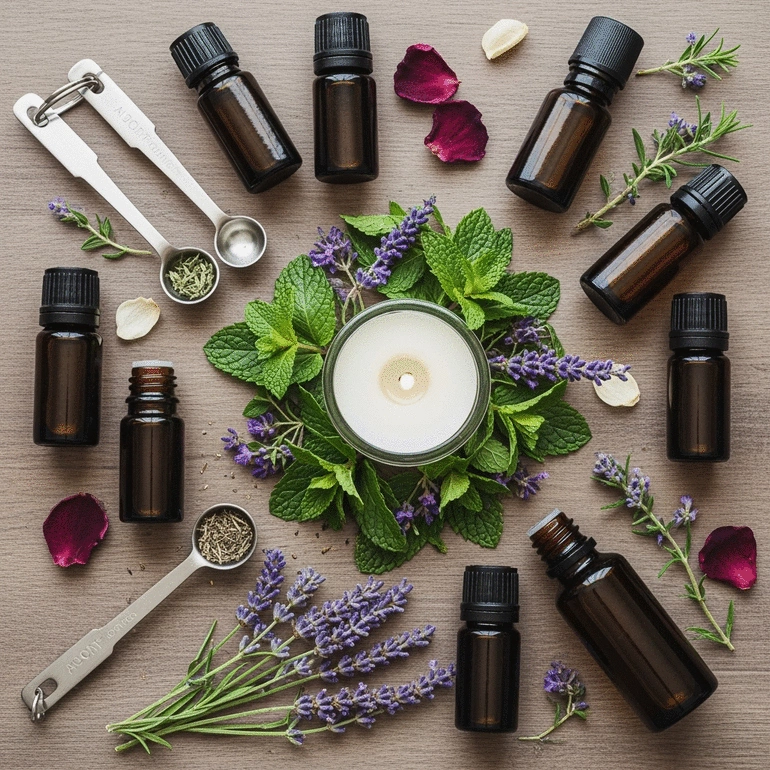
Have you ever thought about how a single scent can evoke powerful memories? Crafting unique candle fragrances is more than just a hobby; it’s a journey of creativity and personal expression that can transform your space and uplift your spirit.
Understanding the interplay between scent notes and proper essential oil usage is key to crafting unique and harmonious candle fragrances. This visual breaks down the core components and safety guidelines. For more advanced techniques, explore our guide on advanced candle making techniques.
Fresh & light (citrus, herbal). First to be experienced.
Depth & character (floral, fruity). Emerge after top notes.
Richness & longevity (woody, musky). Provide stability.
Mix into melted wax at ~185°F (85°C) for adhesion.
Creating unique candle fragrances is an exciting journey that allows you to express your creativity in a truly personal way. At Candle Craft Australia, I believe that every candle should tell a story, and the right scent can transport you to a moment or a memory. To get started, let's explore the fundamentals of scent blending and how different aromas interact in the world of candle making!
At the heart of crafting candles lies the art of scent blending. Each fragrance has its own unique profile, and understanding these profiles is essential for creating harmonious scents. There are three main categories of scent notes: top notes, middle notes, and base notes. Each plays a critical role in how we perceive the overall fragrance.
By balancing these notes, you can create a candle that not only smells great but evolves beautifully as it burns. Remember, the best blends often come from experimenting with different combinations! To learn more about creating a consistent scent experience, check out our article on mastering scent throw in candles.
When it comes to adding essential oils to your candles, there are a few guidelines to keep in mind for optimal fragrance release. First, it's crucial to choose high-quality essential oils, as their purity will greatly influence the final scent. Typically, you'll want to add essential oils at about 6-10% of your wax weight for the best throw.
Adhering to these basics will ensure that your candles smell fantastic and release their fragrances effectively when lit. Have fun with it, and don’t hesitate to adjust the percentages as you find what works best for your unique creations!
Safety is paramount when working with essential oils in candle making. While these oils are natural, they can still pose risks if not handled properly. Always ensure you’re working in a well-ventilated area, and consider using gloves when measuring and mixing your oils.
Taking these precautions will help you create candles that not only smell delightful but are also safe to enjoy at home. As you embark on your candle-making adventure, always remember: safety first!
Now that we've covered the basics, let's dive into some techniques that will elevate your candle-making game!
Did you know? To create a truly unique candle scent, try blending unexpected essential oils. For instance, combining earthy patchouli with uplifting citrus can lead to a complex fragrance that captivates the senses. Don't hesitate to experiment with ratios and combinations until you discover your signature blend!
As we dive into the world of candle making, it's essential to recap the key techniques we've discussed for creating unique fragrances with essential oils. Understanding the art of scent blending, recognizing the importance of scent profiles, and utilizing safe practices can transform your candle-making experience. Remember, it’s not just about the end result; it’s about enjoying the process and letting your creativity shine!
By incorporating these techniques, you can craft candles that not only smell fantastic but also reflect your personal style and values. I encourage you to revisit these points as you experiment with your blends, and don’t hesitate to seek out additional resources if needed. For further inspiration, explore our guide on choosing the right wax for your candles.
The three main types of scent notes are top notes (initial impression, fresh and light), middle notes (heart of the scent, adding depth and character), and base notes (provide richness and longevity).
For soy wax, around 10% essential oils is recommended. For paraffin wax, you can use up to 12% for a stronger fragrance. These percentages are based on the wax weight.
Essential oils should be mixed into melted wax at approximately 185°F (85°C) to ensure proper adhesion and optimal fragrance throw.
Always work in a well-ventilated area, use gloves when handling oils, keep them away from heat sources and open flames, and store them in a cool, dark place to maintain potency.
To create unique scents, experiment with blending different top, middle, and base notes, master blending ratios like 30/50/20, and try layering unexpected essential oil combinations to enhance complexity and create a signature fragrance.
Now that you’re equipped with essential knowledge and techniques, it’s time to embark on your candle blending journey! Gather your essential oils, choose your favorite wax, and start experimenting with different blends. Remember, the joy of candle making lies in the process of creation and the stories your scents can tell. I’d love to hear about your experiences, so feel free to share your unique blends and insights with the Candle Craft Australia community!
Whether you’re aiming for a calming lavender candle or a refreshing citrus blend, the possibilities are endless. So go ahead, unleash your creativity, and let your personalized candles illuminate your space! Don't forget to explore our beginners guide to candle making for more foundational tips.
Here is a quick recap of the important points discussed in the article: