What if your choice of candle wax could support a healthier planet while enhancing your craft? The decision between paraffin and soy wax goes beyond simple preference; it reflects your values as a maker and your approach to sustainability.
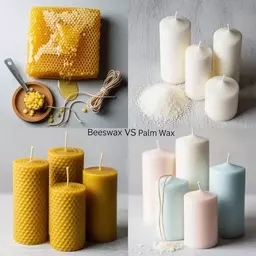
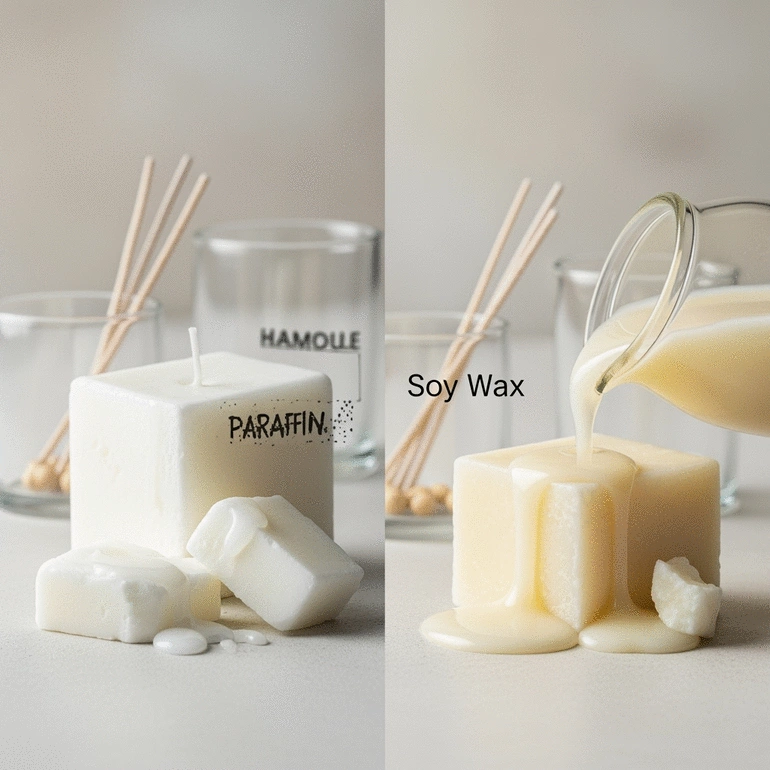
This visual highlights the key differences and characteristics of paraffin and soy wax, helping you make an informed choice for your candle crafting. For those just starting, a beginner's guide to candle making can provide a solid foundation.
Candle making is a wonderful journey of creativity, and one of the first decisions you face is choosing the right wax. In this section, we'll dive into the differences between paraffin and soy wax, helping you make an informed choice for your candle crafting adventures!
Understanding the materials we use is crucial, so let’s start by breaking down the basics of each type of wax. Whether you're a beginner or an experienced maker, this knowledge will enhance your candle-making experience.
Both paraffin and soy wax are popular choices among candle makers, but they stem from different origins. Paraffin is a petroleum byproduct, while soy wax is derived from the oil of soybeans, making it a natural alternative.
It’s essential to grasp the differences in how these waxes are produced and their impacts on your craft. Let’s explore each one in more detail.
Paraffin wax is created through the refining process of crude oil. This manufacturing process can lead to some environmental concerns. In contrast, soy wax is made from the hydrogenation of soybean oil, making it a renewable resource. This difference alone might sway your decision if sustainability is important to you! Learn more about sustainable wax for candle making.
The production of paraffin involves extracting the wax through a multi-step refining process. On the other hand, soy wax production is simpler; it involves extracting oil from soybeans and then hydrogenating it to create wax. This simpler process often results in a cleaner burn, which is something many makers appreciate.
As you decide between these wax types, consider how they align with your values and the type of candles you wish to create. Do you prefer the cost-effectiveness of paraffin, or are you leaning towards the sustainability of soy?

As candle makers, it's our responsibility to consider the environmental impact of our choices. The type of wax we select plays a significant role in sustainability. Let's delve into how paraffin and soy wax stack up against each other in this regard.
Soy wax is derived from renewable resources, making it biodegradable. This means you can create beautiful candles while also being kind to our planet! On the flip side, paraffin is non-renewable and can contribute to environmental degradation.
Since paraffin is a byproduct of petroleum, its production involves various ecological concerns. From oil extraction to refining, the process can lead to environmental harm. Many makers, myself included, find these implications troubling.
Choosing sustainable materials enhances your craft while aligning with your values as a candle maker. I firmly believe that every little step counts, and selecting the right wax is a fantastic start!
When making candles, we want them to burn beautifully, right? Let's compare how paraffin and soy wax perform when it comes to burn characteristics, which can significantly affect your candle-making experience.
In general, soy wax candles burn slower than paraffin candles, which means a longer lasting candle! This is especially great for those who want to enjoy their creations for extended periods. Plus, who doesn’t appreciate getting more bang for their buck?
Another crucial factor is soot production. Paraffin can produce more soot when burned, which might not be ideal for those sensitive to air quality. On the other hand, soy wax tends to burn cleaner, making it a better choice for maintaining indoor air quality.
Your choice will ultimately depend on what you prioritize in your candles—are you after a quick burn or something that lasts? Think about what will fit your candle-making needs best!
The scent throw can make or break a candle! Let’s dive into how paraffin and soy wax compare in terms of fragrance performance.
Paraffin wax tends to have a stronger initial scent throw, which many makers love. However, soy wax has improved in this area, offering a good scent throw while being eco-friendly.
While paraffin may have a more potent initial scent, soy wax often retains fragrance longer, providing a delightful experience over time. This means you can enjoy your creations without worrying about the scent dissipating too quickly!
The choice between these scent types can also influence your candle making. Reflect on what resonates with you—do you want a strong fragrance or a natural aroma that aligns with your values?
As we explore candle making, it's vital to keep an eye on costs. Let’s break down the financial aspects of using paraffin versus soy wax.
Paraffin wax is typically less expensive upfront, making it attractive for new makers. However, the long-term costs can add up when considering factors like soot cleanup and air quality issues.
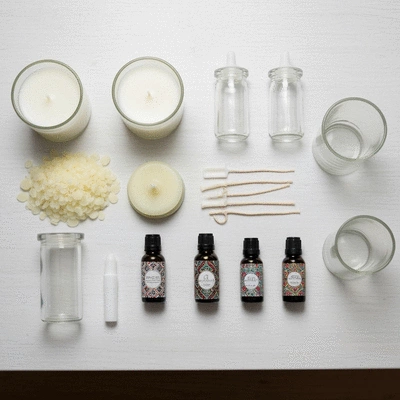
While soy wax might have a higher initial cost, its longevity and eco-friendliness could save you money in the future, especially if you're focused on creating sustainable products.
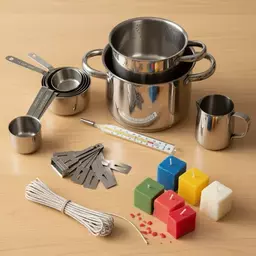
With the right supplies, you’ll be set to embark on your candle-making journey. Remember, the investment in quality materials can significantly enhance your crafting experience!
Safety is paramount when crafting candles. Let’s unpack the health implications of paraffin and soy wax.
Paraffin candles can release chemicals when burned, raising concerns for some users. In contrast, soy wax is free from these hazardous substances, making it a healthier choice for you and your family.
Many makers perceive soy wax as a cleaner burning option. Knowing that you are using a wax that’s less likely to pollute the air can be a comforting thought as you enjoy your beautifully crafted candles!
Exploring non-toxic options opens up a world of creativity while ensuring your candles are safe for everyone!
To level up your candle-making game, let’s look at some techniques for using paraffin and soy wax effectively.
Mixing waxes can yield incredible results! By blending soy with paraffin, for example, you can harness the benefits of both worlds, achieving a cleaner burn and a strong scent throw.
The type of wax influences your choice of wick. Soy wax often requires larger wicks to accommodate its slower melt, while paraffin may need different sizing to ensure a proper burn. Experimenting is key!
By paying attention to wick sizing, you’ll ensure your candles burn beautifully, delivering the results you desire!
Visual comparisons can deepen our understanding of how these two types of wax perform. Let’s explore some engaging insights!
Visuals can illustrate clear differences in burn times and soot production, making it easier for you to select the right wax.
Seeing candles burn in real-time allows you to appreciate the differences firsthand. Look out for demonstrations that showcase how each wax performs under various conditions!
When experimenting with candle wax, consider blending paraffin and soy wax to achieve the best of both worlds! This combination can provide a strong scent throw while maintaining a cleaner burn. Additionally, always test different wick sizes to find the perfect match for your chosen wax blend, ensuring optimal performance and safety.
When it comes to choosing the right candle wax, there are several factors to keep in mind. At Candle Craft Australia, I often encourage makers to reflect on their own needs and preferences. Are you drawn to the eco-friendliness of soy wax, or is cost your main concern? Understanding these priorities will help guide your decision and enhance your candle-making experience!
Let’s explore some important considerations that can influence your choice:
These questions can significantly shape your candle-making journey. If you’re someone who enjoys crafting as a hobby, you might lean toward a more affordable option like paraffin. However, if you’re passionate about sustainability and health-conscious creations, soy wax could be your ideal match! You can also find eco-friendly candle wax options to explore.
As we wrap up this discussion, it’s essential to summarize the key differences that can impact your candle-making decisions. Here are some highlights:
Ultimately, your choice will reflect your values and what you want to achieve with your candles. For those prioritizing eco-friendly practices, soy wax is a stronger contender. However, cost-conscious makers might find paraffin to be a more accessible option.
A: Paraffin wax is a petroleum byproduct, while soy wax is derived from renewable soybean oil. This makes soy wax a natural and more sustainable option compared to paraffin.
A: Soy wax generally burns cleaner and longer than paraffin wax. It produces less soot, which contributes to better indoor air quality and a more extended candle life.
A: Paraffin wax typically offers a stronger initial scent throw. However, soy wax is known for retaining fragrance longer, providing a consistent and delightful aroma throughout the candle's burn time.
A: Yes, soy wax is considered more eco-friendly because it is made from a renewable resource (soybeans) and is biodegradable. Paraffin, being a petroleum byproduct, has a larger environmental footprint.
A: Paraffin wax usually has a lower upfront cost. Soy wax, while initially more expensive, can offer better long-term value due to its longer burn time and cleaner burning properties, which can reduce the need for frequent replacements or cleanup.
Choosing between paraffin and soy wax isn’t just about the wax itself; it’s about what resonates with you as a maker. Remember, your candles are a reflection of your creativity and personal values. As you dive into this exciting world, pay attention to what matters most to you!
Stay updated on the latest trends within the candle industry. Knowing what’s in demand can help you decide not only what to create but also how to market your candles effectively. Who knows, maybe your unique style will set a new trend!
The candle-making industry is continuously evolving, and staying informed can provide you with a competitive edge. Here are some trends to keep an eye on:
By keeping these trends in mind, you'll not only enhance your skills but also position your creations for success in the ever-growing candle market!
Here is a quick recap of the important points discussed in the article: